Oxygen is dangerous not because of pressure but because of oil: any organic residue in the line can ignite. The first requirement is cleanliness and degreasing, not accuracy.
Gaseous oxygen density is 1.43 kg/m³ at standard conditions. Liquid oxygen boils at -183 °C and requires cryogenic execution.
Materials and seals must be degreased. Oil and organic residue are not allowed in an oxygen line.
Velocity in the tube is limited: in oxygen service it affects ignition risk.
| Point | Flow, kg/h | DN | Execution |
|---|---|---|---|
| Gas lines | 1,000-30,000 | DN25-DN80 | T |
| Liquid oxygen | 100-10,000 | DN15-DN50 | L |
| Dosing | 50-1,000 | DN04-DN15 | T |
| Cryogenic refuelling | 500-5,000 | DN15-DN40 | L |
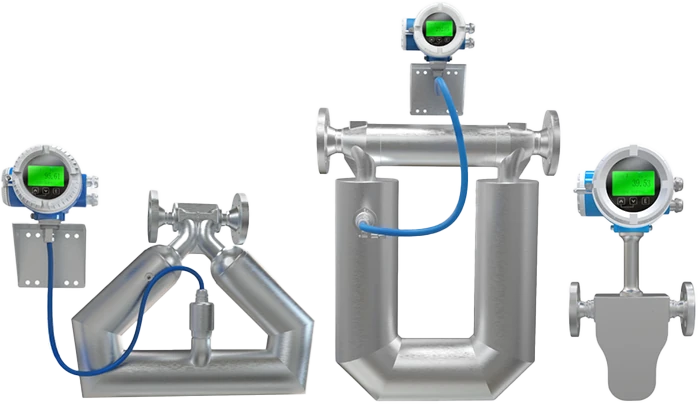
Liquid oxygen requires L: -196 to +150 °C, up to 4 MPa, U or Δ tubes, DN08-DN80. Sensor and piping are degreased before installation.
For low-pressure gaseous oxygen a differential pressure device may be simpler. Coriolis is used for mass and cryogenic tasks.
Oxygen with oil ignites. Line cleanliness is mandatory.
Yes, in execution L down to -196 °C.
Velocity is limited by oxygen safety requirements.
Seals and tubes must be compatible with oxygen.
Tell us flow, pressure, temperature and DN. We will reply with a configuration and lead time.
Open configurator Request a quoteWe will contact you shortly.
To attach a completed questionnaire, please email it to mass-expert@ame-info.ru.

