Kerosene is closer to diesel than to gasoline: density 780-820 kg/m³, low viscosity, and the main problem is not flow but water and solids in the fuel.
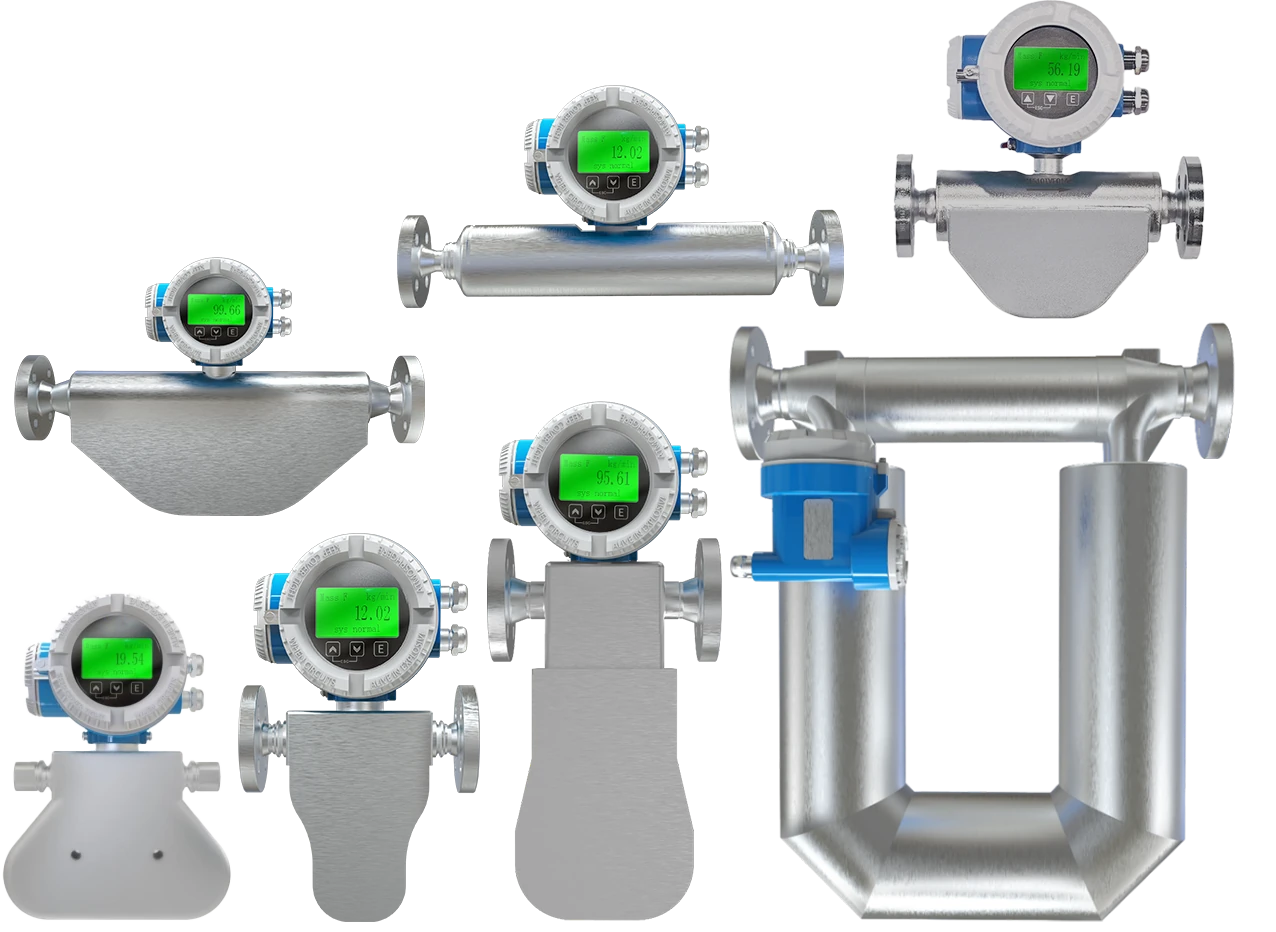
TS-1 density is about 780-820 kg/m³ and viscosity is low, so pressure drop is small. Water and solids are heavier than fuel and settle at low points.
Kerosene does not conduct, so a magnetic meter is not suitable. Volumetric metering needs density and temperature.
Aviation fuel places more demand on cleanliness than on accuracy: filtration and water control are mandatory.
| Point | Flow, kg/h | DN | Execution |
|---|---|---|---|
| Loading | 10,000-40,000 | DN40-DN80 | T |
| Vehicle refuelling | 3,000-15,000 | DN25-DN40 | T |
| Additive dosing | 50-1,000 | DN04-DN15 | T |
| Depot transfer | 5,000-30,000 | DN40-DN80 | T |
Mass does not depend on temperature, and density in line shows the actual batch. For depots and refuelling this is simpler than volume with corrections.
For simple transfer without custody transfer a simpler meter will do. Coriolis is used for mass, density and settlement between departments.
Density and viscosity: kerosene is lighter and less viscous, but cleanliness requirements are higher.
Yes, if filtration, water and documentation requirements are met.
It depends on the zone. Depots and refuelling usually require it.
Density shows a deviation, but the water percentage is not derived from density alone.
Tell us flow, pressure, temperature and DN. We will reply with a configuration and lead time.
Open configurator Request a quoteWe will contact you shortly.
To attach a completed questionnaire, please email it to mass-expert@ame-info.ru.

